Medical Cannabis
More than one hundred cannabinoids occur naturally in the cannabis plant. Two of those compounds, THC and CBD, receive the most attention in clinical settings. The remaining cannabinoids, together with aromatic terpenes, shape how a given cultivar behaves after you consume it. This chemical complexity is the reason medical cannabis is not a single medicine. It is a category of plant-based treatments that you can match to a specific condition, a preferred delivery method, and a personal tolerance. Patients who understand that complexity make clearer choices and waste fewer visits guessing.
Ohio law treats medical cannabis as a regulated therapy. You obtain it only after a certified physician recommends it and the state issues a patient card. That legal frame answers the first question many people ask: this is not an informal market. It is a documented medical program with testing rules, purchase limits, and licensed retailers. The rest of this page walks from the science, through the questions that usually come next, and toward practical guidance you can use when you are ready to select a product or visit a medical cannabis dispensary.
How the Endocannabinoid System Responds to Plant Cannabinoids
Your body already makes its own cannabinoid-like compounds. Anandamide and 2-AG bind to receptors that help regulate pain signaling, appetite, sleep timing, immune activity, and mood balance. Scientists call this network the endocannabinoid system. CB1 receptors sit mainly in the brain and spinal cord. CB2 receptors sit mainly on immune cells and in peripheral tissue. Plant cannabinoids fit these same receptors, which is why inhaled or ingested cannabis can change how you feel pain, how you sleep, or how inflamed a joint becomes.
THC binds strongly to CB1 receptors. That binding can reduce certain types of pain and stimulate appetite, and it can also change perception and short-term memory. CBD binds more loosely and influences several receptor types at once. Many patients use CBD-forward products when they want symptom support with fewer psychoactive effects. Minor cannabinoids such as CBG, CBN, and THCV appear in smaller amounts. Growers and processors now isolate or enrich these compounds so you can try a more targeted profile. Terpenes such as myrcene, limonene, beta-caryophyllene, and linalool add another layer. They contribute scent, and they may change how cannabinoids move through tissue. A medical cannabis store that lists both cannabinoid percentages and terpene data gives you more to work with than a THC number alone.
Absorption path matters as much as chemistry. Inhaled vapor or combusted flower enters the bloodstream through the lungs within minutes. An edible or gel capsule must pass through the digestive tract and the liver first. That second path converts a portion of THC into 11-hydroxy-THC, which can feel stronger and last longer. A tincture held under the tongue uses oral mucosa and sits between those two extremes. A topical stays mostly in the skin and local tissue. When you know the path, you can predict onset and duration instead of treating every product as if it behaved the same way.
Concerns That New Patients Bring to the First Conversation
The most common concern is eligibility. Ohio requires a qualifying medical condition before a physician can recommend medical cannabis. Conditions on the state list include cancer, chronic and intractable pain, post-traumatic stress disorder, epilepsy and other seizure disorders, multiple sclerosis, Crohn’s disease, ulcerative colitis, Parkinson’s disease, fibromyalgia, glaucoma, and several others. If you already hold a diagnosis that appears on that list, the next step is an appointment with a physician who holds a certificate to recommend. The physician reviews your history, confirms the condition, and submits a recommendation to the state registry. You then pay the registry fee and receive a digital or physical patient card.
A second concern is stigma and privacy. Many cardholders worry that coworkers, neighbors, or family members will judge the choice. Ohio keeps patient registry data confidential under program rules. Licensed dispensaries verify your card at the point of sale and do not advertise your purchases. You decide how much you share outside that setting. A third concern is control. People ask whether they will feel impaired at work, whether they can drive, and whether they can start with a very small amount. Impairment is possible, especially with THC-dominant inhaled or edible products. You should not drive after you consume a product that affects coordination or reaction time. Starting with a low milligram dose, keeping a simple symptom journal, and changing only one variable at a time are the standard ways to stay in control while you learn your response.
Cost and access sit close behind those medical questions. Plant-based medicines should be reachable for friends and neighbors, not reserved for people who can travel long distances or wait through complicated processes. At Good River Wellness we treat that as a duty. We are a small Ohio operation, and each patient matters to us. If you have searched for medical marijuana near me or medical cannabis near me and felt lost in generic results, you are not alone. Licensed retailers exist for a reason: they give cardholders a legal, tested supply and a place to ask questions without pressure.
How Different Product Forms Change Absorption and Timing
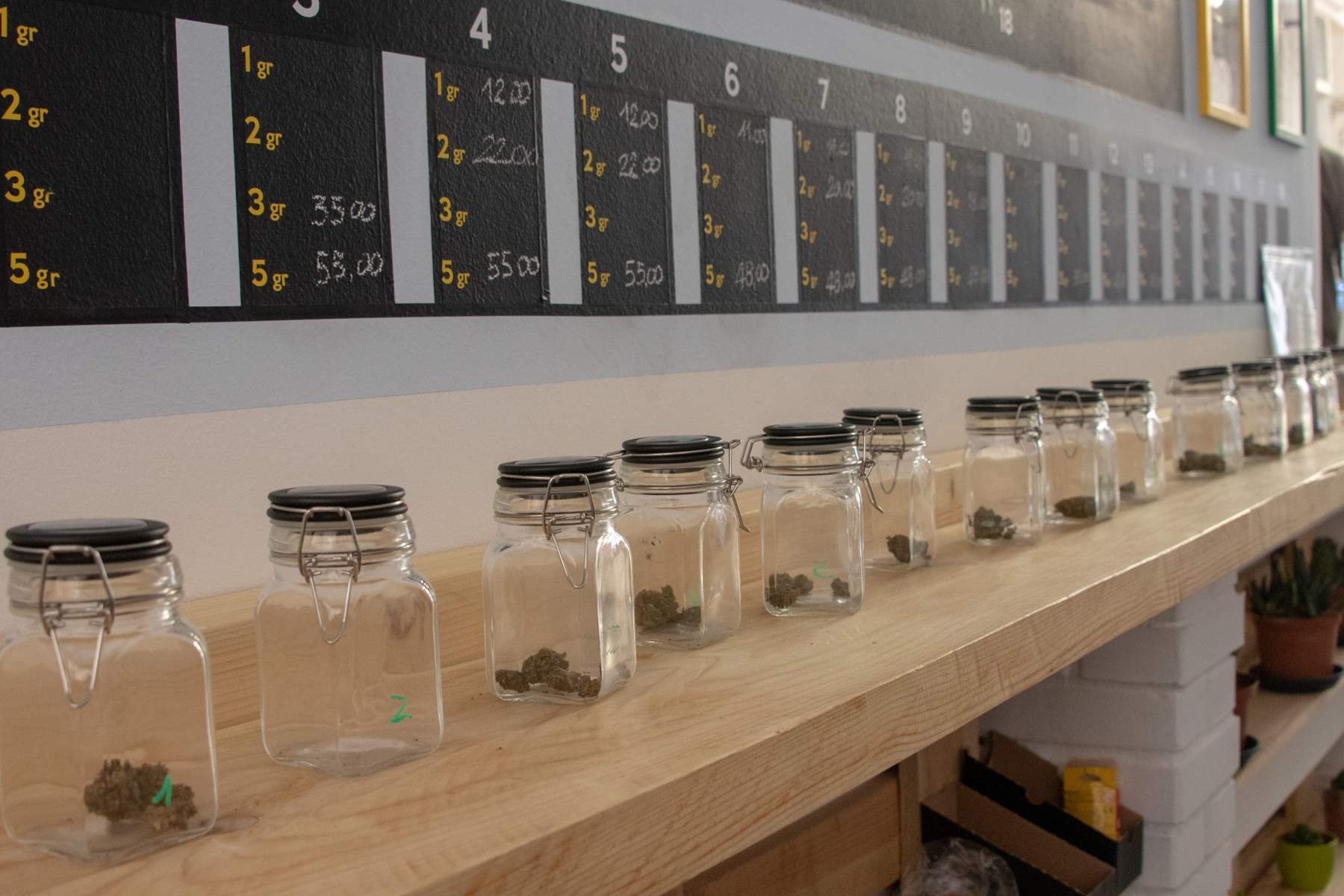
Form is a technical choice, not a fashion choice. The same cultivar can feel different as flower, as a cartridge, as an edible, or as a tincture because the body absorbs it through different tissue. Good River Wellness meticulously curates a wide assortment of natural remedies from local growers and brands so that you can compare forms side by side. Our flower, edibles, vapes and cartridges, topicals, gel capsules, and tinctures offer a rich diversity of cannabinoids, terpenes, potency, and effects. That range serves people who are new to medical cannabis and people who have held an MMJ card for years.
Flower remains the most direct expression of a cultivar. You see the structure, you smell the terpene profile, and you control the inhaled amount in small increments. Cartridges and vapor devices heat oil to a temperature that releases cannabinoids without open combustion. They are discreet and measured, and they work well when you need a portable option. Edibles and gel capsules deliver a set milligram dose. They suit evening routines, people who prefer not to inhale, and conditions that benefit from a steadier, delayed onset. Tinctures let you measure drops and either swallow them or hold them under the tongue. Topicals go on skin over a sore joint or muscle and stay local. No single form is correct for every patient. The correct form is the one that matches your lungs, your stomach, your schedule, and your symptom pattern.
Use the list below as a decision aid when you compare forms on a label or in a consultation. Match the form to the problem you want to treat, not to a trend.
- Flower: fastest titration through the lungs, full cultivar aroma, best when you want immediate feedback and fine control of inhaled amount
- Vapes and cartridges: portable measured inhalation, consistent oil potency, useful when discretion and repeatable draw size matter
- Edibles: delayed onset after digestion, set milligram dosing, suited to longer coverage windows and patients who avoid inhalation
- Gel capsules: swallowable unit doses, no flavor, practical for people who already take other oral medicines on a schedule
- Tinctures: dropper-level control, sublingual or swallowed use, a middle path between inhalation speed and edible duration
- Topicals: local skin application, little systemic effect, appropriate for isolated joint, muscle, or surface discomfort
What Laboratory Data Tells You About a Cultivar
Every legal medical cannabis lot in Ohio must pass laboratory testing before it reaches a shelf. The certificate of analysis reports total THC, total CBD, and often a panel of minor cannabinoids. It also reports residual solvent levels for extracted products, heavy metal and pesticide screens, moisture content, and microbial limits. Those numbers protect you. They also help you repeat a result. If a 1:1 THC-to-CBD tincture at ten milligrams per milliliter reduced your evening pain without unwanted cognitive effects, you can look for that same ratio instead of shopping by strain name alone. Names change. Ratios and terpene percentages travel with the lab report.
Potency is not a quality score. A flower that tests at a greater THC percentage is not automatically a better medicine. Some patients do well with moderate THC and a terpene mix rich in beta-caryophyllene or linalool. Other patients need a CBD-dominant profile because THC increases their anxiety. Industry data over the last decade shows a steady climb in average THC in many markets. That trend can mislead new cardholders into thinking more is always better. For medical use, the better question is whether the product hits the symptom at the lowest dose that works. You can increase later. You cannot easily take an edible back.
Terpene data deserves the same attention. Myrcene often appears in earthy cultivars and is associated in research with sedation in animal models. Limonene appears in citrus-scented profiles. Beta-caryophyllene binds to CB2 receptors and is of interest for inflammation. Pinene and terpinolene show up in brighter, pine or herbal profiles. These associations are not prescriptions. They are clues. When you keep notes on which terpene clusters help your sleep, your appetite, or your nerve pain, you build a personal map that no menu ranking can replace. Ask to see the latest test results when you visit. A serious medical marijuana dispensary will treat that request as normal.
How We Help You Put a Plan Into Practice
Understanding every wellness journey is unique, we listen to your concerns and focus on your exact preferences and goals. We have brought together a knowledgeable, friendly, and supportive team to answer questions, provide guidance, and personalize your treatment. You do not need to arrive with a finished plan. You need a card, a description of what you want to change, and a willingness to start small. We will walk through form, ratio, and timing with you. If you are new, we will usually suggest a modest oral or inhaled dose and a simple log of time, amount, and symptom score. If you are an experienced cardholder, we will look at what already works and help you find comparable lots when a favorite cultivar rotates off the shelf.
Good River Wellness provides Ohio medical marijuana cardholders an exceptional and enriching experience. Our priority is unparalleled patient care. We strive to make plant-based medicines easily accessible and affordable. Convenience is part of that care. You can place an order online, use curbside pickup, come inside for in-store pickup, or use drive-through service. Those options keep turnaround short when pain, mobility, or a work schedule makes a long visit difficult. Patients across Euclid, Wickliffe, Eastlake, Willoughby, Mentor, Mayfield Heights, Richmond Heights, Lyndhurst, South Euclid, and Beachwood, OH use us as their medical cannabis store and medical dispensary near me because the process stays straightforward after the first visit.
A first visit typically follows a clear sequence. You present your state patient card and a matching photo identification. Staff confirm your allotment so that you stay inside Ohio purchase limits. You review available products, ask about onset and duration, and select items that fit the plan you discussed. Payment and bagging complete the visit. Later visits can be even shorter if you already know the product and use online ordering. We look forward to getting to know you and championing your health and wellness. Because we are small, you will see familiar faces, and those faces will remember whether a tincture or a topical served you better last month.
Medical cannabis works best as a documented habit, not as an occasional experiment. Keep the same notebook or phone note for at least two weeks after you change a product. Record the clock time, the milligrams or inhalations, the form, and a simple 1-to-10 score for the symptom you care about most. Bring that note to your next conversation with us or with your recommending physician. Patterns appear quickly when the data is written down. Dose adjustments become obvious. Products that do nothing become easy to stop. That is how a medical cannabis dispensary becomes part of a treatment plan instead of a one-time errand.
If you still have questions about receptors, forms, labels, or the Ohio card process, bring them in. We would rather explain a certificate of analysis twice than send you home with a product you do not understand. Search language such as medical marijuana dispensary or medical cannabis dispensary will point you toward licensed shops. What you do after you arrive is what changes outcomes. Learn the chemistry. Match the form to the symptom. Read the lab data. Start with a low dose. Write down what happens. We will meet you at each of those steps and help you adjust until the plan fits the life you actually live.